
Beginning of the school year
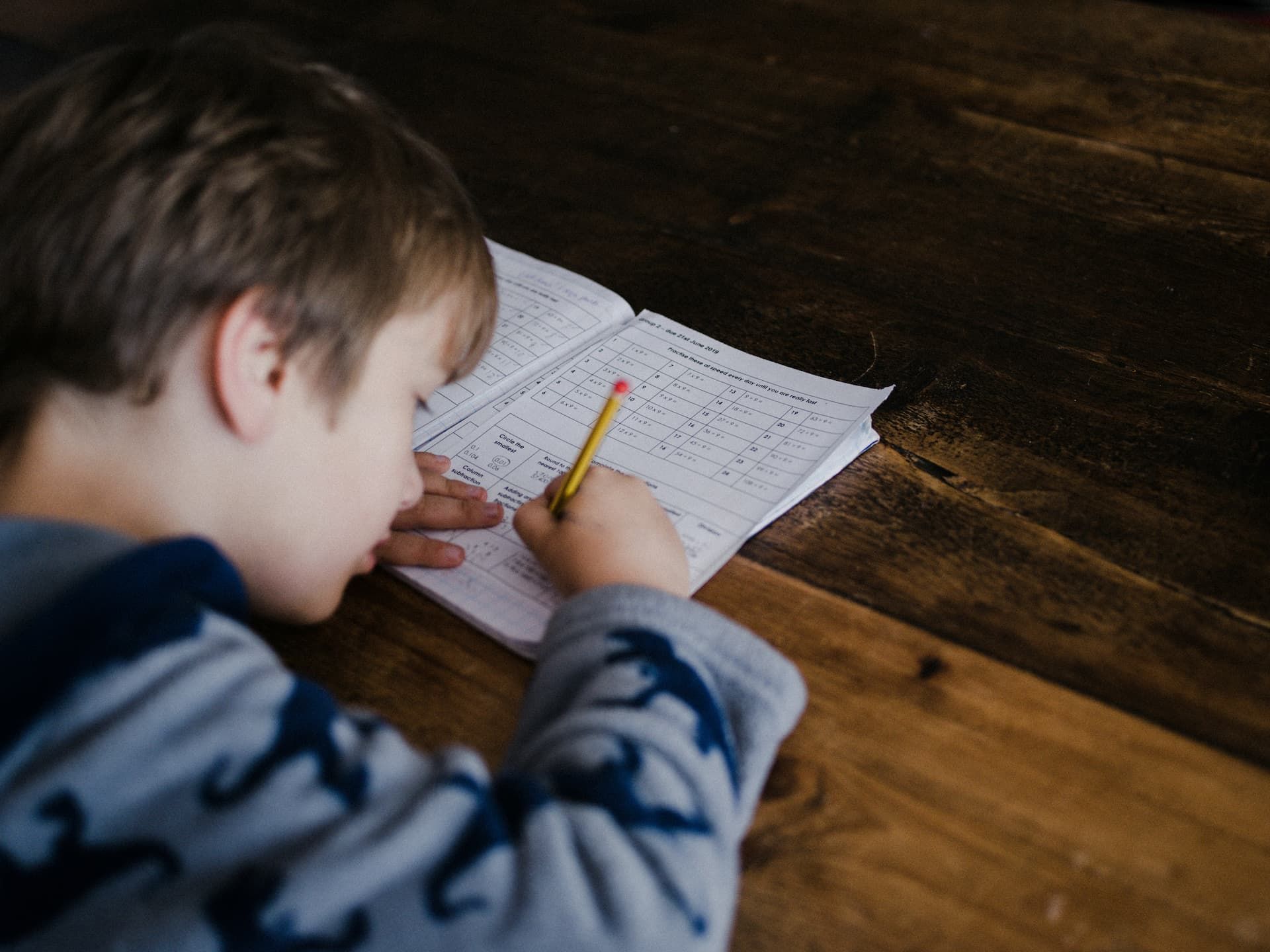
The beginning of the school year is not just a routine change in schedule for young children—it is an emotional event for every child. Especially for first graders, but also for older students, the transition from summer freedom to the school rhythm can trigger a range of changes such as somatoform complaints, anticipatory anxiety, or behavioral difficulties that may not have been present in the previous period.
These reactions are not a sign that something is wrong—they are a sign that the child is trying to adapt. As parents, our role is not to correct every negative feeling our child experiences, but to be emotionally present, patient, and open to conversation.
Adaptation is a process—it does not happen overnight.
Most children need 2 to 4 weeks to adjust to new rules, rhythms, and responsibilities. During this period, we should be fully open to accepting complaints, resistance, and all the difficulties our child may express—this is their way of telling us: “I need time.”
What helps them most is not the pursuit of perfect parenting or a perfect child, but encouraging words and acceptance regardless of success. “This is how we teach children that we love them regardless of their achievements, which significantly reduces their anxiety.”
Sleep, routine, and space for play – the foundation of mental health
During the school year, it is recommended that children have:
- Adequate sleep (9–11 hours, depending on age)
- A morning routine that doesn’t start with rushing
- Time for free play every day – unstructured and without pressure
(which fosters creative introspection)
Play is not just entertainment—it is the way children regenerate, process their experiences, and build inner strength.
What if a child shows signs of anxiety or resistance?
It is important not to minimize their feelings. Instead of saying:
- “There’s nothing to be afraid of,”
say: - “I understand that this is difficult for you. Every beginning brings challenges. I’m here with you, and we’ll get through this together more easily.”
If symptoms last longer than a few weeks, significantly interfere with daily functioning, or if the child shows withdrawal, aggression, or frequent psychosomatic complaints—seek help. A striking 75% of difficulties in adulthood have their etiology in childhood. Help your child become a functional adult. Seeking professional help is not a sign of weakness, but of responsibility.